Depending on which decade you tuned in, the thing ruining your health was fat, then carbs, then gluten, then seed oils, then anything with more than five ingredients. The supposed miracle changed just as often: more protein, less breakfast, a new powder, a special window for eating. If you tried to obey every wave of advice, you would by now be eating almost nothing, at very specific times, with supplements.
Here is the quiet part: while the villains rotated, the fundamentals barely moved. What nutrition research keeps confirming, decade after decade, is short enough to hold in your head — mostly plants and whole foods, enough protein, more fiber than you currently eat, water when you're thirsty, and not too much of anything sold in a shiny wrapper. This guide walks through those fundamentals in plain language, and then — because the noise never stops — how to listen to a bold food claim without being swept off your feet.
The argument is usually about the last five percent
Most nutrition fights online are between people who already agree on almost everything. Whether the oil in your pan is the ideal one matters far less than whether dinner is mostly vegetables, whether you eat enough protein to stay full, and whether most of your food is recognizable as food. Those basics do the heavy lifting. The contested details are real questions, but they are the last five percent, argued at the volume of the first ninety-five.
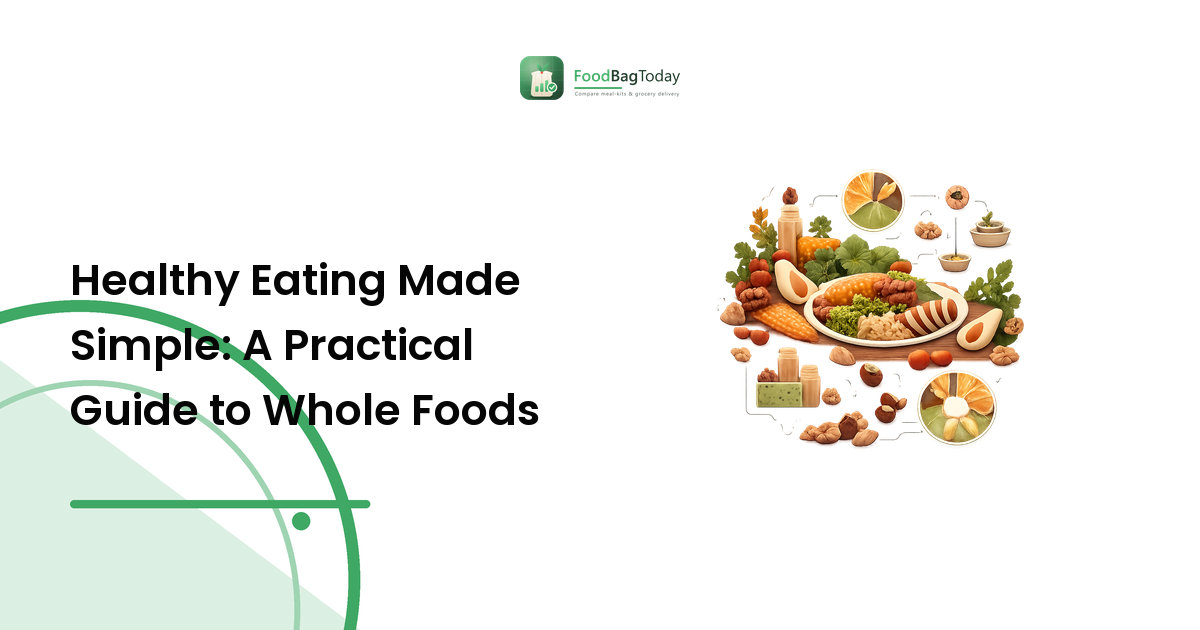
That is good news for a busy person. You don't need to follow the debate. You need a small set of habits that no future headline is likely to overturn — and the confidence to let everything else stay unresolved. If you want the plate-level version of those habits, healthy eating made simple turns them into meals; this guide covers the "why" underneath.
Macros, one honest paragraph each
"Macros" is just shorthand for the three things food is mostly made of. None of them is a villain. Each has a job.
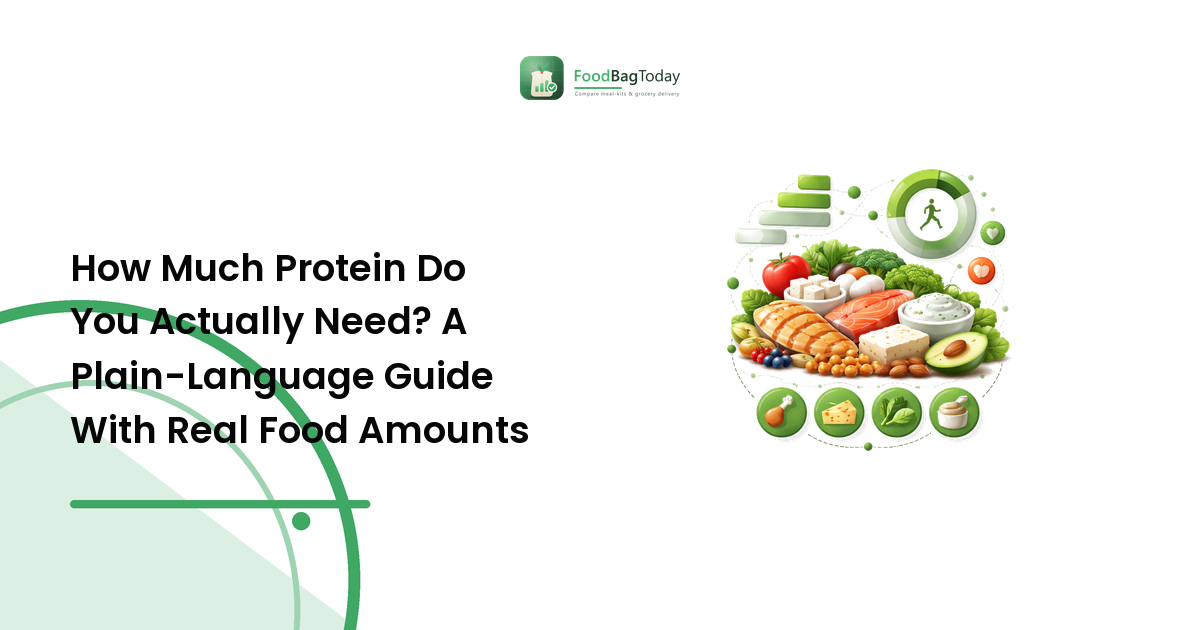
Protein is building material — muscle, skin, enzymes, the works — and it is also the most filling thing on your plate, which is why a breakfast with protein carries you to lunch and a pastry doesn't. Most people eating varied diets get enough to function; people who are older, very active, or trying to lose weight while keeping muscle often do better with more. Working out your own number, in actual food rather than grams, is its own topic — how much protein you actually need walks through it.
Carbohydrates are fuel, and the fuel question is quality, not existence. An oat, a lentil, and a spoonful of sugar are all "carbs," which is exactly why the word is useless in an argument. Whole grains, beans, fruit, and vegetables come packaged with fiber and nutrients that slow them down; refined flour and sugar arrive alone and fast. Eat the packaged kind most of the time and the carb debate mostly stops applying to you.
Fat spent thirty years as the villain and is now, in some corners of the internet, the miracle — both takes are wrong. Fat carries flavor, keeps you full, and helps you absorb certain vitamins. The type matters more than the amount: fats from olive oil, nuts, fish, and avocado have a consistently better record than fats that are solid at room temperature. Cooking with oil is not a mistake to fix.
Fiber: the least glamorous, most reliable win
No one sells fiber with a beach body, which tells you something about why it is underrated. It feeds your gut, steadies your digestion, slows down sugar, and makes meals hold you longer — and most people eat well under the amount usually recommended, which is roughly what you'd get from making plants a genuine presence at every meal rather than a garnish.
You do not need to count it. Fiber lives in vegetables, fruit, beans, lentils, whole grains, nuts, and seeds — the same whole foods every other fundamental already points at. One practical upgrade beats most supplements: add beans or lentils to a few meals a week. One caution: raise fiber gradually and drink water alongside it, or your gut will file a complaint during the transition.
Portions: the skill that outlasts every counting app
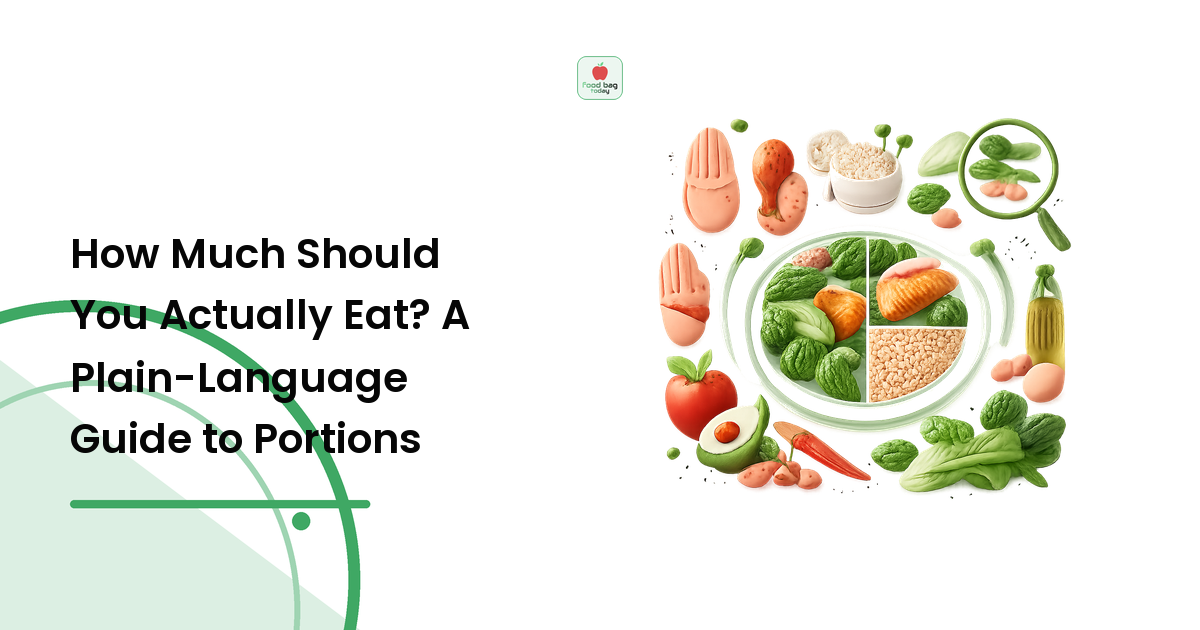
Calorie counting works for some people and exhausts most, and the good news is that portion sense is a learnable skill that does the same job with less arithmetic. Your hand scales with your body and is always at dinner; a plate half-filled with vegetables settles most of the remaining questions before they're asked.
The deeper point is that portions drift. Restaurant plates, package sizes, and "single" servings have all grown, quietly, and recalibrating what a normal amount looks like is worth more than any single food swap. The full method — hand measures, the plate approach, and how to notice drift — is in the plain-language guide to portions.
Hydration, without the gallon jug
Somewhere along the way, water became a performance sport — marked bottles, hourly targets, apps. The physiology is calmer than the merchandise. Thirst is a competent signal for most healthy people most of the time; you need more when it's hot, when you're active, or when you're ill, and your body asks. Tea and coffee count toward fluids. Food counts. Urine that is pale rather than dark is the everyday all-clear.
The one hydration decision that genuinely moves the needle is what the liquid is. Sugary drinks are the easiest calories in the modern diet to consume without noticing and the easiest to cut. Make water the default and the rest of the hydration discourse can proceed without you.
How to hear a nutrition claim
The fundamentals are stable; the headlines never are. Because this territory attracts more confident nonsense than almost any other, hearing claims well is itself a nutrition basic. Three habits cover most of it.
Beware the single villain and the single savior. Real nutrition effects come from patterns of eating, over years. Any claim that one ingredient is poisoning you, or one food will transform you, has skipped ahead of the evidence — usually toward a checkout page.
Read the package back-to-front. The front of a box is advertising; the panel on the back is regulated. Serving size first, then the handful of nutrients worth checking — reading a nutrition label makes it a thirty-second habit. The same skill matters double for pills and powders, where marketing does even more of the talking; reading supplement labels covers what actually counts there.
Check the messenger before the message. Credentials, a mechanism rather than a miracle, stated limits, and what's being sold at the end — a ninety-second screening routine sorts most feeds. How to tell if nutrition advice is trustworthy walks through it check by check.
What changes, and what doesn't
Nutrition science does move — portion guidance gets refined, individual nutrients get restudied, the picture on any single food sharpens. But notice the shape of that movement: refinement at the edges, not reversal at the core. "Eat mostly plants and whole foods" has survived every trend cycle of the last half century, which is more than can be said for any of the trends.
So let the feed argue. Cook mostly real food, get your protein and fiber, drink water, keep portions honest, and treat every villain-of-the-year announcement as entertainment with a sales funnel attached. Boring, reliable, and still true next year.
FAQ
What are the actual "nutrition basics"? Mostly whole foods with plants doing the volume, enough protein to stay full and strong, more fiber than the average diet delivers, water as the default drink, and portions calibrated to your body rather than the package. Everything else is refinement.
Do I need to track macros to eat well? No. Tracking is a tool some people find clarifying and others find exhausting. A plate that is half vegetables, a quarter protein, and a quarter whole grains hits a reasonable macro balance without a single number.
Is any food actually off-limits? For most healthy people, no single food eaten occasionally changes much of anything. Patterns matter; exceptions don't. The foods worth actively limiting are the ones easy to consume in quantity without noticing — sugary drinks being the clearest case.
Why does nutrition advice keep contradicting itself? Mostly it doesn't — headlines do. Single studies get reported as reversals, small effects get inflated, and sellers amplify whatever is new. The underlying consensus on eating patterns has been dull and steady for decades.
Steady beats novel. Get the fundamentals in place — whole foods, protein, fiber, water, honest portions — and let the trend of the month pass by without costing you a dollar or a worry. For meal plans, shopping strategies, and recipes that put these basics on real weeknight tables, keep exploring Food Bag Today.