You find a tub of yogurt one day past its "best before" date and hover over the bin. Toss it, or eat it? Most of us guess, and most guesses lean toward the trash — which is how good food and grocery money quietly disappear every week. The honest answer to how long does food last isn't a rule memorized for every product. It's three things: knowing what the dates mean, storing food so it lasts longer in the first place, and using your senses to make the final call.
The takeaway up front: "best before" is about quality, not safety — and most food is fine for a while past it. A "use by" date is the one to respect on high-risk foods. Beyond the labels, how you store something often matters more than the printed date. This is general guidance for healthy households, not food-safety advice for vulnerable groups; when in real doubt, throw it out.
The dates on the package: what each one really means
Date labels confuse people because they look interchangeable and aren't. Sorting them out is the single most useful thing you can do to waste less.
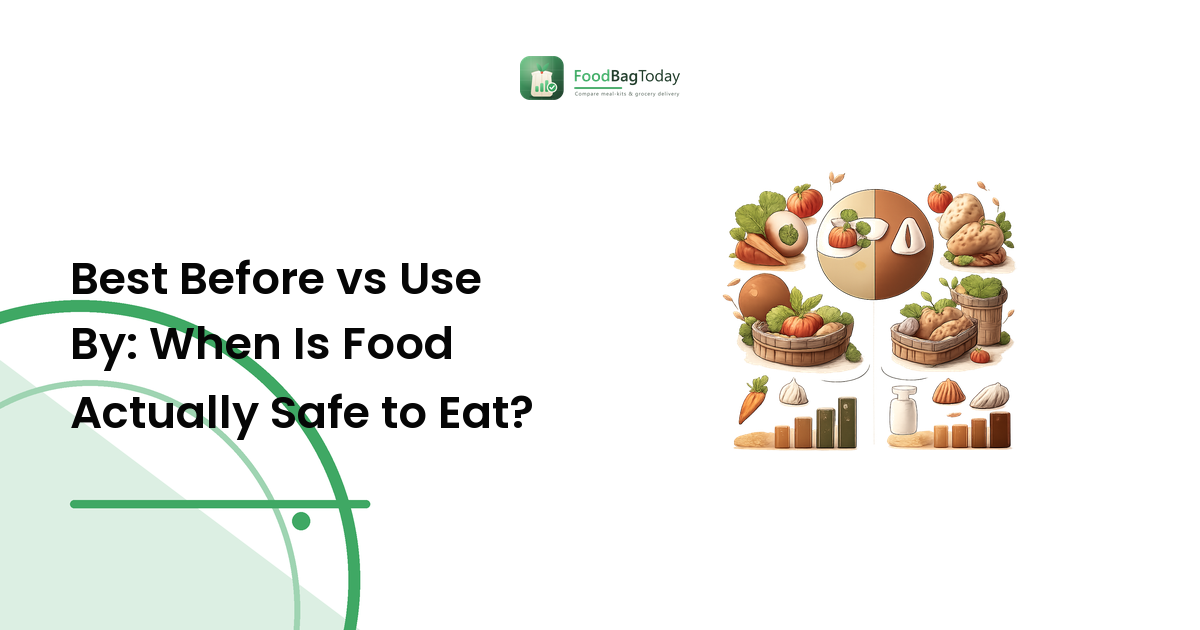
- Best before (or "best by"). A quality date set by the manufacturer — their estimate of when the food is at its peak for taste, texture, and freshness. It is not an expiry or safety deadline. A cracker may go stale or a sauce lose some punch, but most shelf-stable and many chilled foods are safe to eat past it if they look, smell, and taste fine.
- Use by. The one to take seriously. It appears on perishable, higher-risk foods — fresh meat, fish, ready-to-eat chilled meals, soft cheeses — where the concern is harmful bacteria you can't always see or smell. Don't eat these past the date, and don't rely on a sniff test to overrule it.
- Sell by / display until. A stock-rotation instruction for the store, not for you — it tells staff when to pull a product. There's usually plenty of good eating time left afterward if you've stored the food properly at home.
Hold it this way: best before and sell by are about quality and logistics; use by is about safety. Glance at which label a product carries, and half the guesswork disappears.
How long common foods actually keep
Exact times depend on the product, packaging, and your fridge, so treat these as sensible ranges — and always defer to a "use by" date when one is printed.
In the fridge
Most cooked leftovers keep about three to four days when cooled quickly and sealed. Raw poultry and fish are the most perishable — cook or freeze within a day or two. Hard cheeses outlast soft ones by a wide margin, eggs keep for weeks past the carton date when refrigerated, and acidic, salty condiments like mustard and ketchup last a long time once opened.
In the pantry
Dried staples — pasta, rice, beans, flour — keep for months to over a year when sealed and stored cool, dry, and dark. Canned goods are reliable well past their best-before date as long as the can is intact; a bulging, leaking, or badly dented can is the exception, so discard it. Oils and nuts are the weak point: their fats go rancid over time, especially with heat and light — a sharp, paint-like smell is the tell.
In the freezer
Freezing is a pause button, not a reset. Food stays safe almost indefinitely at a steady temperature, but quality fades — texture, flavor, and freezer burn — so use most frozen items within a few months, label everything, and freeze while food is freshest for the best result.
Storage beats the date: making food last longer
Two identical tubs of berries can spoil days apart depending on where they sit. Good food storage extends shelf life more than label reading ever will, and it's the highest-leverage way to reduce food waste at home.
Know your fridge's zones. A fridge isn't a uniform cold box. The door is the warmest part and swings in temperature every time you open it — a poor home for milk and eggs, and better for condiments. The back and lower shelves are the coldest and most stable, so they're right for raw meat and fish, sealed on the bottom so nothing drips below. The crisper drawers hold humidity for produce.
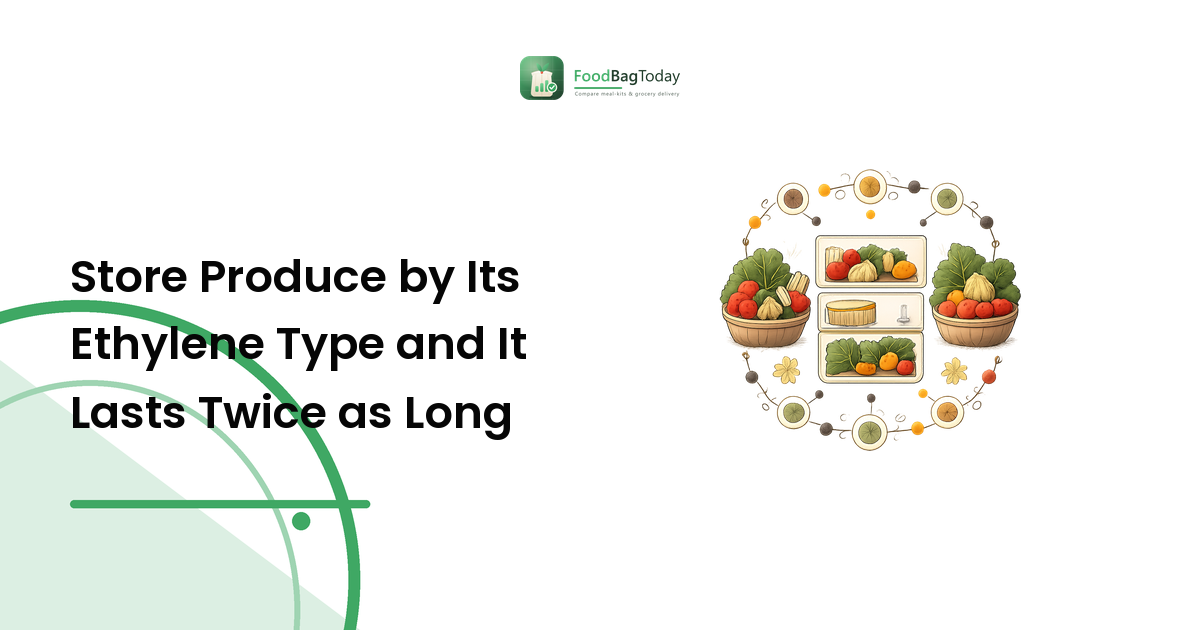
Don't store everything together. Some fruits — apples, bananas — give off ethylene gas that ripens and then rots nearby produce faster, so keep them away from delicate greens. Many vegetables last longest loosely bagged in the crisper; herbs often do best stood in a little water like a bouquet.
Seal, cool, and rotate. Air, warmth, and moisture spoil food fastest. Move opened packets into sealed containers, cool leftovers promptly rather than leaving them out for hours, and practice "first in, first out" — pull older items to the front so they're used before the newcomers. The same instinct drives a smarter shop; our grocery shopping guide covers buying amounts you'll actually use.
The senses test: deciding what's still good
For quality-dated foods past their best-before date, your senses are a better judge than the calendar. Use them in order.
- Look. Visible mold, an off color, sliminess on meat or cheese, or a cloudy liquid where there shouldn't be one are all reasons to stop. On soft, high-moisture foods mold can spread invisibly below the surface, so discard rather than scrape.
- Smell. Spoilage usually announces itself — a sour, ammonia-like, or rancid smell means it's done, even if it looks fine.
- Touch and taste, last and lightly. If it passes sight and smell, a small taste of a low-risk food tells you the rest; an "off" note means bin it.
The hard line: the senses test is for quality-dated foods only. It does not override a use-by date on high-risk items like raw meat, fish, or ready-to-eat chilled meals, where dangerous bacteria can be present with no change you can see, smell, or taste. For those, the date wins — and whenever you genuinely can't tell, the cost of one tub of yogurt is never worth the risk.
FAQ
Is it safe to eat food past its best-before date?
Usually, yes. "Best before" is a quality date, not a safety deadline, so most shelf-stable and many chilled foods are fine for a while past it if they look, smell, and taste normal. The exception is anything labeled "use by" — perishable, higher-risk foods where you should respect the date rather than rely on a sniff test.
What's the difference between "use by" and "best before"?
"Use by" is a safety date on perishable foods like fresh meat, fish, and ready-to-eat chilled meals — don't eat them after it. "Best before" is a quality date about peak taste and texture; food is generally still safe afterward, just less fresh. Short version: use by is safety, best before is quality.
How long do leftovers last in the fridge?
As a rule, cool leftovers quickly, store them sealed, and eat them within about three to four days. Reheat thoroughly, and if anything smells or looks off before then, bin it. If you won't get to them in time, freeze in single-meal portions and label the date.
Where should I store food in the fridge?
Keep raw meat and fish sealed on the coldest bottom shelf so they can't drip onto other food. The door is the warmest, least stable spot — best for condiments, not milk or eggs. Use the crisper drawers for produce, and keep strong ethylene producers like apples and bananas away from delicate greens.
Does freezing food kill bacteria?
No — freezing pauses bacteria rather than killing them, and they reactivate once food thaws. Freezing keeps food safe for a long time, but quality still declines over months, so label what you freeze and use it within a few months.
Next step
You don't need a shelf-life chart for every product. You need three habits: read which date label a food carries and treat "use by" as the only hard deadline, store new groceries where they'll actually last — coldest shelves for raw meat, door for condiments, crispers for produce — and let your eyes and nose make the final call on anything quality-dated. Do a five-minute fridge sweep before your next shop, pulling older items to the front. For more on buying the right amounts and wasting less from the start, visit foodbagtoday.com.